Choosing the Right Exercise Routine for PCOS
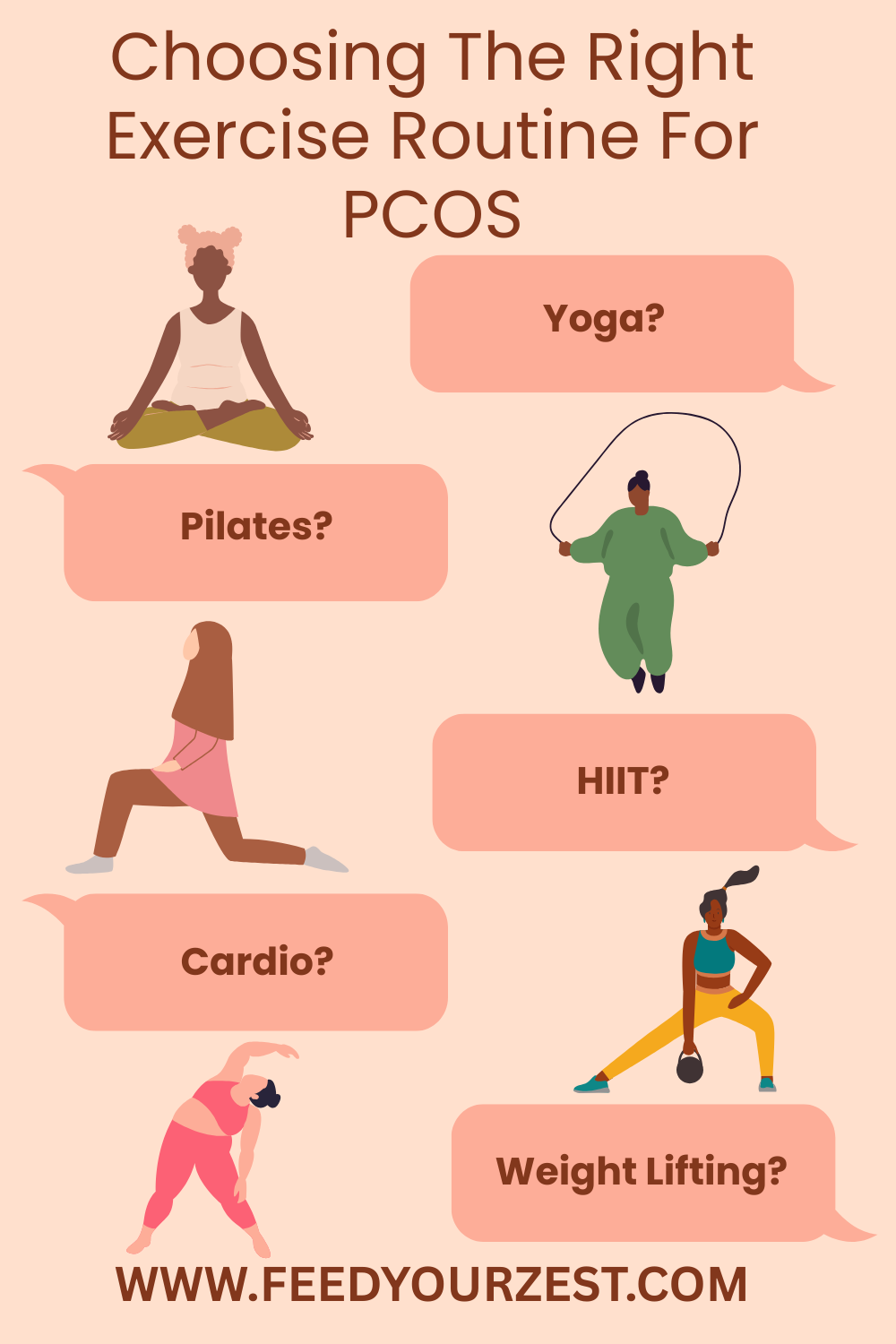
If you’ve ever searched “best workout for PCOS”, you know all too well what happens next: a flood of conflicting advice. “Only strength strain, avoid cardio, run 5 times a week, never weight lift….” It’s a lot.
Trying to navigate social media trends while managing your own PCOS journey can leave you feeling confused - and sometimes even guilty. It may feel like you’re not doing enough, or not doing it “right.”
Let’s stop that narrative right now and clarify there is no judgement here.
Yes, we’re going to be talking about some evidence-based exercise recommendations, but if you’re not hitting those numbers right now that is okay. We want to build a healthy and sustainable relationship with movement - one that enhances our life, supports our health, and brings us joy.
Benefits of Exercise for People With PCOS
First, let's get into why exercise is beneficial, not only for general health but also to aid with PCOS specific symptoms.
Insulin Sensitivity and Exercise
Insulin is the hormone that moves glucose, sugar, out of your bloodstream and into your cells for energy. However, many people with PCOS experience insulin resistance - where the body becomes less responsive to insulin. This means glucose stays in the blood longer than it should. In response, the body releases even more insulin, creating a cycle of high blood sugar and high insulin levels. These high insulin levels are what drives a lot of PCOS symptoms.
During exercise the body needs energy to fuel its movements. The body's preferred form of energy is glucose. During exercise the muscles are able to bypass the need for insulin and pull glucose directly out of the bloodstream and into the muscle cells for immediate use. This will not only lower your current blood sugar but also decrease the amount of insulin being released at that moment.
Consistent exercise can help lower average blood sugar and increase your insulin sensitivity, making your cells more responsive to insulin and more productive at using up glucose for energy.
Long-term Metabolic Risk and Exercise
Because exercise improves insulin sensitivity, it also reduces the long-term risk of developing Type 2 diabetes.
But that’s not all; consistently getting our heart rates up through exercise can also aid in decreasing the chances of developing cardiovascular disease. The heart is a muscle, and exercise helps to strengthen it. Over time this can improve our hearts efficiency, lower our resting heart rate, decrease blood pressure, and much more.
Because the metabolic and hormonal factors involved with PCOS increase one’s long-term risk of developing Type 2 diabetes and heart disease, regular movement is an important part of self-care for people with PCOS.
Mental Health and Exercise
PCOS can affect mental and emotional health just as much as it does physical. However, exercise has been shown to improve mental health. The direct physiological connection between exercise and mental health is not entirely black and white. There are many compounding reasons as to why exercise has been shown to increase mental health like increased endorphins, boosts in self confidence, and even increasing our time spent outdoors.
Endorphins are sometimes referred to as “feel good chemicals.” They are hormones and neurotransmitters that act like built-in pain killers, mood elevators, and stress relievers. Endorphins are released as the body's natural response to physical stress, muscle contractions, and increased heart rate. To put it in very simplified terms, the body starts to experience physical stress and releases chemicals to reduce that stress, which aid in reducing mental stress as well.
CDC Recommendations
For adults aged 18-64 the CDC recommends at least 150 minutes a week of moderate intensity exercise (or 75 minutes if it’s higher intensity) and 2 days a week of muscle-strengthening activities.
Moderate intensity activities can be anything such as brisk walking, cycling, dancing, hiking, slow paced swimming, and many others. High intensity activities are ones that get your heart rate up faster and make us out of breath quicker. This can be HIIT exercises, intense cycling, sprinting, jump roping, and more. An easy way to measure activity intensity is your breathing; are you able to hold a conversation? That activity is probably of more low-moderate intensity. Are you having trouble speaking complete sentences and running out of breath? That activity is probably higher intensity.
Muscle strengthening activities could be weight lifting, Pilates, body weight exercises, resistance bands, and so much more.
Exercise Routine Ideas
The best exercise routine is one that works for you. Trying out different exercise classes, free at home follow along videos, joining different team based sports, or jumping into the pool are all amazing options and there are so many more we didn't even touch here. Below there are a couple of ideas as to what a week might look like if we were to prioritize the CDC recommendations. But again, the movements, times of days, days of the week, and all of the above are based on your personal schedule and what works best for you.
Example 1: Baddies on a Budget
Monday: 25 min. walk around the neighborhood
Tuesday: 30 min. at-home strength training video
Wednesday: 20 min. jog in the park
Thursday: Rest day
Friday: 30 min. at-home strength training video
Saturday: 25 min. walk around the neighborhood
Sunday: 25 min. walk around the neighborhood
Example 2: Gym Rats
Monday: 20 min. slight incline treadmill walk
Tuesday: 30 min. lower body strength session
Wednesday: 30 min. walk around the neighborhood
Thursday: 30 min. upper body strength session
Friday: Rest day
Saturday: 15 min. HIIT workout
Sunday: Rest day
Example 3: Pilates Princesses
Monday: 30 min. walk around the neighborhood
Tuesday: 30 min. at-home Pilates video
Wednesday: Rest day
Thursday: 30 min. walk around the neighborhood
Friday: 60 min. at-home yoga video
Saturday: 30 min. walk around the neighborhood
Sunday: 45 min. Pilates class
Now most importantly, we need to make sure we don’t overdo it.
Listening to your body and giving yourself rest and grace where it is needed is so important. This is not a sprint, this is a marathon. Let’s take it slow and increase our movement in realistic and manageable amounts. Remember, one small walk a week is better than none.
Want To Learn More?
Our dietitians are accepting new clients! We will act as another person in your corner to support you throughout this PCOS journey, taking a holistic and full person approach to counseling. Click here to get started!